
Tambopata National Reserve
The Tambopata National Reserve is a 274,690-hectare (about 1,060 sq mi) protected area of lowland Amazon rainforest in the Madre de Dios region of southeastern Peru, next to the city of Puerto Maldonado. Peru created it in September 2000 and SERNANP, the national protected areas service, manages it. To the south it borders Bahuaja-Sonene National Park. Its best-known places are Lake Sandoval, home to a permanent population of giant otters, and the Chuncho macaw clay lick. You can only visit it with an operator authorized by SERNANP, and the entrance fee starts at S/ 30 for one day.
Tambopata National Reserve at a glance
| Created | September 2000, by Supreme Decree 048-2000-AG |
|---|---|
| Area | 274,690 hectares (about 1,060 sq mi) |
| Location | Tambopata province, Madre de Dios region, Peru |
| Neighbor | Bahuaja-Sonene National Park, to the south |
| Managed by | SERNANP |
| Gateway city | Puerto Maldonado |
| Recommended season | May to October |
| Temperature | 10–38 °C (50–100 °F), annual average 26 °C (79 °F) |
| Entrance fee | From S/ 30 for one day |
| Visitors in 2024 | 72,368 |
What is the Tambopata National Reserve?
The reserve grew out of the Tambopata-Candamo Reserved Zone, created in 1990. Supreme Decree 048-2000-AG turned part of it into the Tambopata National Reserve, expanded the neighboring Bahuaja-Sonene National Park to 1,091,416 hectares and left the rest as the reserve’s buffer zone, where Puerto Maldonado’s farms, communities and lodges are. A national reserve protects nature while allowing regulated uses, such as tourism and the harvest of Brazil nuts by local families; for the difference with a national park, see national park vs national reserve.
Wildlife in the Tambopata National Reserve
SERNANP’s 2025–2030 Master Plan for the reserve counts 3,665 species of plants and animals, including 635 birds, 90 mammals, 122 fish, 1,489 insects and 1,329 plants. Other SERNANP pages give different totals (its visitor site lists 600 birds and 169 mammals, for example), because each count comes from different surveys. These are the animals travelers ask us about most:
| Animal | Where to look for it in Tambopata |
|---|---|
| Giant otter | Lake Sandoval, which has a permanent population. Our guides put the chance of seeing them on a visit at about 40%. |
| Macaws | The Chuncho clay lick at dawn, where red-and-green, scarlet and blue-and-yellow macaws gather to eat clay. |
| Capybara (ronsoco) and tapir (sachavaca) | Around Lake Sandoval, where SERNANP lists them with monkeys and many birds; tapirs are most often seen at night at a clay lick. |
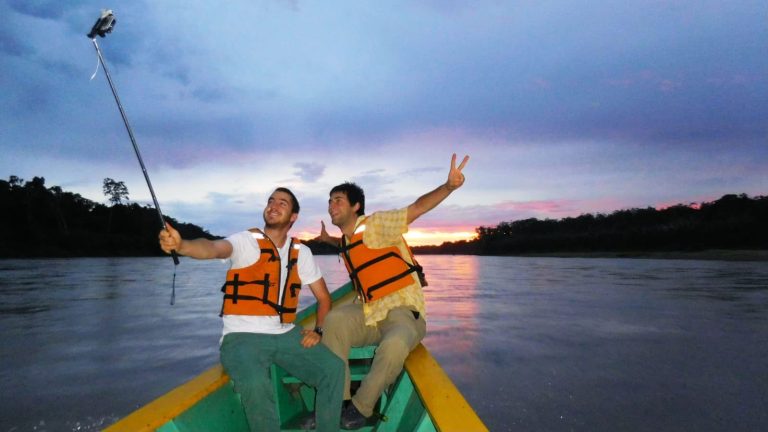
| Caimans | River banks after dark, on a night boat ride. |
| Jaguar | Lives in the reserve but is rarely seen. |
No wild sighting is ever guaranteed: animals move with the season, the river level and the time of day.
Places to visit in the reserve
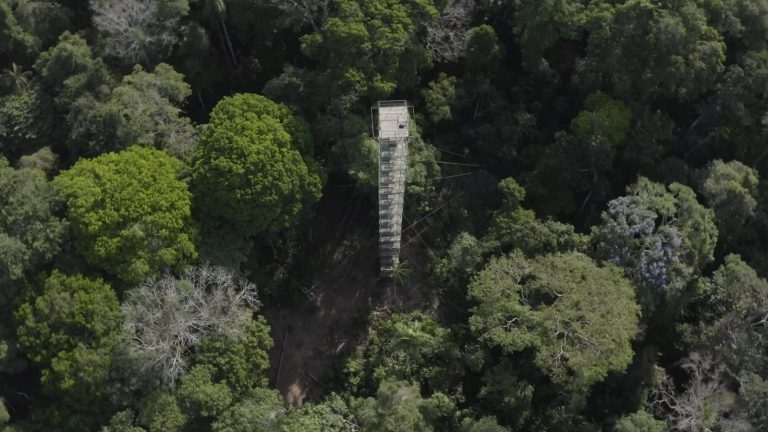
Lake Sandoval is a 127-hectare oxbow lake surrounded by palms that SERNANP describes as one of the main tourist destinations in the Peruvian Amazon. It has an observation tower, a raised walkway and an interpretation center, and you cross it in canoes rented by local families and lodges. It is 30 minutes from Puerto Maldonado by river plus a 3 km (1.9 mi) walk. Of the 72,368 visitors the reserve received in 2024, 50,036 went to Lake Sandoval.
The Chuncho clay lick, in the Upper Tambopata sector, is a riverbank where hundreds of macaws and parrots come to eat clay early in the morning. We watch it from 60 to 80 m (200 to 260 ft) away with a spotting scope.
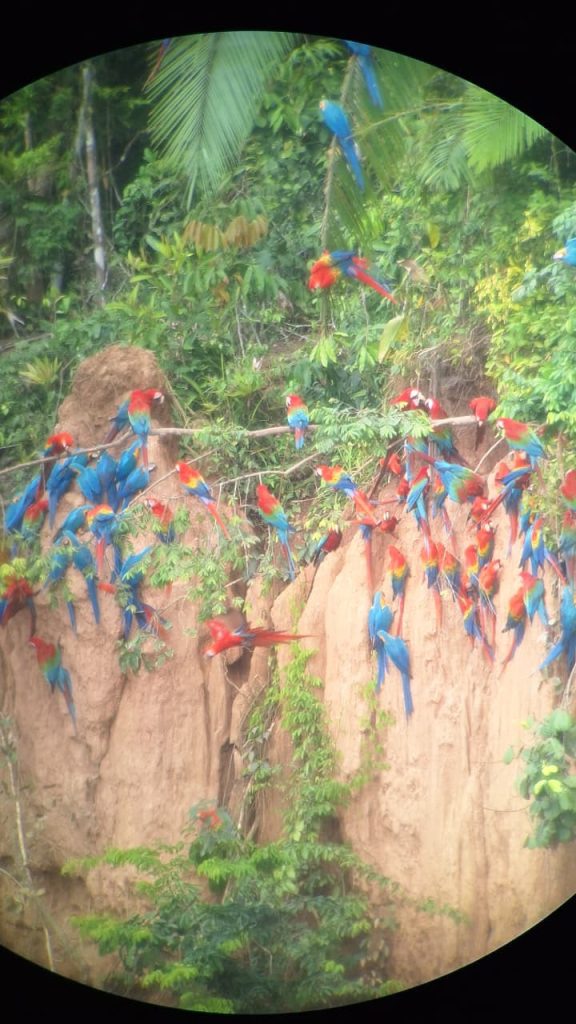
SERNANP also lists the Colorado clay lick, about 50 m high and 500 m long, further up the Tambopata River, and the Cocococha, Sachavacayoc and La Torre lakes and the Palma Real stream as visitor sites.
Entrance fees (2026)
These are SERNANP’s official rates. Foreign visitors pay the general rate; children under 5 enter free.
| Rate | 1 day | 2 to 3 days | 4 to 30 days |
|---|---|---|---|
| General | S/ 30 | S/ 60 | S/ 150 |
| Peruvian adults | S/ 15 | S/ 30 | S/ 75 |
To visit the reserve you must hire an operator authorized by SERNANP. Visiting hours are 5:00 a.m. to 7:00 p.m. every day, and every visitor registers at the park ranger posts. Our Tambopata tours include the reserve and Chuncho clay lick fees; see Manu and Tambopata entrance fees and tour costs for the full breakdown.
Best time to visit Tambopata
SERNANP recommends visiting from May to October. The rainy season runs from December to March, and the climate is hot and humid all year, from 10 to 38 °C (50 to 100 °F), with an annual average of 26 °C (79 °F). Cold fronts from the south, which locals call friaje, can bring a few cool days in the dry season, so pack a warm layer.
How to get to the Tambopata National Reserve
The gateway is Puerto Maldonado. According to SERNANP, the road from Cusco is 465 km (289 mi), about 10 hours, and the flight from Lima takes 1 hour 20 minutes; from Cusco the flight takes about an hour. From Puerto Maldonado, Lake Sandoval is 30 minutes by river plus a 3 km walk, the Middle Tambopata sector about 3 hours by river and the Upper Tambopata sector, where the Chuncho clay lick is, about 5 hours 30 minutes by river. Lodges cut these times with road transfers: ours is 2 hours by car and 30 minutes by boat. Read how to get from Cusco to the Amazon for flights and buses.
Health and safety
The US CDC recommends the yellow fever vaccine for travelers aged 9 months or older going below 2,300 m (7,550 ft) in Madre de Dios, and lists malaria risk in all areas below 2,500 m (8,200 ft) east of the Andes. Get the vaccine at least 10 days before you travel. Our yellow fever and malaria guide explains what to do, and our Amazon packing list covers clothes and repellent.
Threats: illegal gold mining
The reserve’s main threat is illegal gold mining. SERNANP’s Master Plan estimates that by the third quarter of 2025 mining had cleared 1,036 hectares inside the reserve, and that more than 9,000 illegal miners live in La Pampa, in the buffer zone. Visiting with an authorized operator, which pays entrance fees to SERNANP and works with local families, is one of the ways tourism supports the reserve.
Visiting Tambopata with us
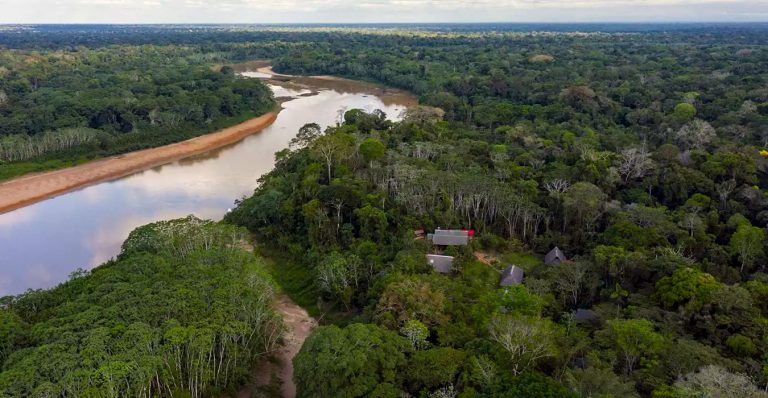
We run three Tambopata tours from Puerto Maldonado, of 3 and 4 days and from $295 per person, all staying at Collpas Tambopata Inn on the edge of the reserve and visiting the Chuncho clay lick. Deciding between the two rainforests near Cusco? Read Manu vs Tambopata.
Sources
- SERNANP, Reserva Nacional Tambopata (visitor information, fees and access).
- Supreme Decree 048-2000-AG, which created the reserve (September 2000).
- SERNANP, Tambopata National Reserve Master Plan 2025–2030 (species, visitors and threats).
- US CDC, Health information for travelers to Peru.
Tours to the Tambopata National Reserve
All three start in Puerto Maldonado, stay at Collpas Tambopata Inn and visit the Chuncho macaw clay lick.

Frequently asked questions
Where is the Tambopata National Reserve?
In the Tambopata province of the Madre de Dios region, in southeastern Peru, next to the city of Puerto Maldonado. To the south it borders Bahuaja-Sonene National Park.
How big is the Tambopata National Reserve?
274,690 hectares, about 1,060 square miles. It was created in September 2000 by Supreme Decree 048-2000-AG and is managed by SERNANP.
How much is the Tambopata National Reserve entrance fee?
SERNANP's general rate, which foreign visitors pay, is S/ 30 for 1 day, S/ 60 for 2 to 3 days and S/ 150 for 4 to 30 days. Children under 5 enter free. Our Tambopata tours include the fee.
Can you visit Tambopata without a tour?
No. SERNANP requires every visitor to the reserve to go with an operator it has authorized, and to register at the park ranger posts. Visiting hours are 5:00 a.m. to 7:00 p.m.
What animals live in the Tambopata National Reserve?
SERNANP's 2025–2030 Master Plan counts 3,665 species, including 635 birds and 90 mammals. Travelers usually look for giant otters at Lake Sandoval, macaws at the Chuncho clay lick, capybaras, tapirs, monkeys and caimans.
When is the best time to visit Tambopata?
SERNANP recommends May to October, the drier months. The rainy season runs from December to March, and temperatures range from 10 to 38 °C (50 to 100 °F) all year.