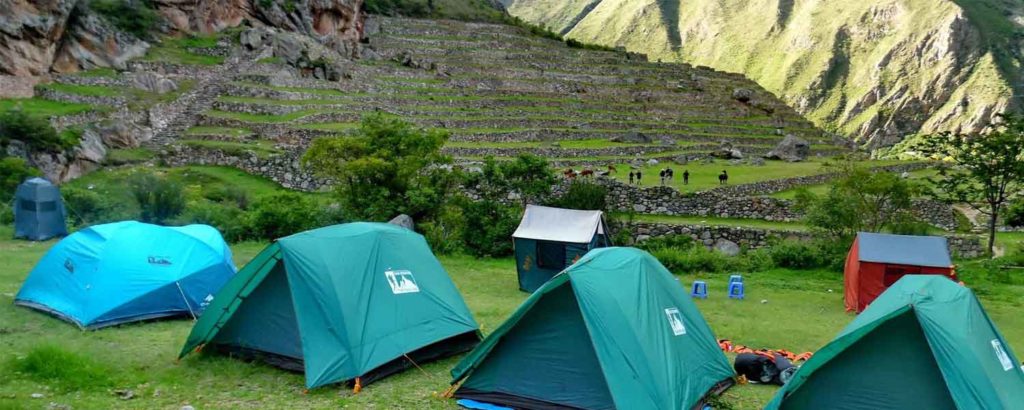
Tambopata Birding Tour 7 Days via the Interoceanic Highway
A 7-day birding tour from Cusco to the Tambopata lowlands via the Interoceanic Highway, crossing a 4,725 m pass and the east slope of the Andes, with a visit to the Chuncho macaw clay lick and two full days at Los Amigos Biological Station (CICRA).

About this Expedition
Pristine Biodiversity
Immersion in primary forest trails and macaw or tapir clay licks with privileged viewing.
Native Guides
Bilingual guides from the native communities of Manu and Tambopata, with spotting scopes and binoculars.
Logistics and Lodges
Private transport and boats, a cook on the trip and nights in rainforest lodges.
Day-by-Day Itinerary
Day 1: Cusco – Huacarpay Lake – Interoceanic Highway – Quincemil
We pick you up at your hotel at first light and head southeast in private transportation, with breakfast on the way. A short stop at Huacarpay Lake gives us a chance at high-Andean wetland birds and regional specialties, including the endemics Bearded Mountaineer, Chestnut-breasted Mountain-Finch and Creamy-crested Spinetail, plus Rusty-fronted Canastero and Streak-fronted Thornbird.
We continue on the paved Interoceanic Highway. A birding stop in the high Andes can produce Rufous-bellied Seedsnipe, Giant Coot, Andean Goose, Crested Duck and several ground-tyrants, with the snowcapped Ausangate (6,384 m / 20,945 ft) in front of us. From the pass at 4,725 m (15,502 ft) we see the rainforest in the distance and start down the east slope of the Andes, stopping in cloud forest, Chusquea bamboo and humid montane forest. Mixed flocks and other targets here include Red-and-white Antpitta, Marcapata Spinetail, Blue-banded Toucanet, Chestnut-capped Brushfinch, Rufous-capped Antshrike, Mountain Caracara, Andean Cock-of-the-rock and Dusky-green Oropendola; lower down, the flocks are rich in tanagers and flycatchers. Night in Camanti – Quincemil.
Day 2: Quincemil – Amazon Foothills – Chuncho Lodge
We bird the road above and below Quincemil. The forest here is less pristine than along the Manu Road, but some species can be easier to find, such as Black-backed Tody-Flycatcher, Cinnamon-faced Tyrannulet, Slaty Gnateater and other bamboo specialists.
Lower down, mixed flocks can hold Paradise, Blue-necked, Bay-headed, Golden, Swallow and Orange-eared Tanagers. Habitats and birds change as we descend into the lowlands, and late in the day we reach Chuncho Lodge on the bank of the Tambopata River, where we explore the garden and trails if time allows. Night at Chuncho Lodge.
Day 3: Chuncho Macaw Clay Lick – Tambopata
Early in the morning we travel about 1.5 hours upstream by boat on the Tambopata River to the Chuncho clay lick, one of the largest macaw clay licks. Red-and-green, Blue-and-yellow and Scarlet Macaws come to eat the clay together, along with other parrots for a total of about 11 species, and the surrounding successional forest holds other good birds. The river offers our best chance of seeing a Jaguar, as well as capybaras, monkeys and other wildlife.
In the afternoon we walk the trails looking for our first lowland understory flocks. Night at Chuncho Lodge.
Day 4: Chuncho Lodge – Laberinto – Los Amigos Biological Station (CICRA)
After a morning of birding we leave the lodge for the village of Laberinto, where we take a boat up the Madre de Dios River to the Los Amigos Biological Station, also known as CICRA (Centro de Investigación y Capacitación Río Los Amigos). The station sits at the tip of a peninsula on a high terrace between the Madre de Dios and Los Amigos Rivers, with easy access to terra firme forest, bamboo forest and aquatic habitats.
After lunch we start birding. Our main bamboo targets are Rufous-headed Woodpecker, Peruvian Recurvebill, Rufous-fronted Antthrush and Long-crested Pygmy-Tyrant. Night at Los Amigos Biological Station.
Days 5–6: Los Amigos Biological Station – Lowland Amazon Birding
Two full days at CICRA. The terra firme forest here is excellent and very diverse; targets include Banded Antbird, Ash-throated Gnateater, Ochre-bellied Flycatcher, White-bellied Tody-Tyrant, Royal Flycatcher, Musician Wren, Great Jacamar and Pavonine Quetzal, along with a wide variety of foliage-gleaners, antbirds and flycatchers. Black-faced Cotinga, White-throated Jacamar and Gray-bellied Hawk are rare, local species found in the area, and canopy flocks can include White-winged Shrike-Tanager, Lemon-chested Greenlet, Black-capped Becard, Rufous-tailed Xenops, Striped Woodhaunter, Gray Elaenia and Lineated Woodcreeper.
We also watch for Spangled Cotinga, White-throated and Channel-billed Toucans, Ivory-billed and Curl-crested Aracaris, Plumbeous Kite, Red-throated Caracara, Bat Falcon, Sungrebe, Gray-cowled Wood-Rail, Black-tailed, Blue-crowned, Amazonian and Collared Trogons, and raptors. The top prize is Red-billed Pied Tanager, which is not common but is a good possibility. The area is also excellent for mammals, including monkeys and South American Tapir. Nights at Los Amigos Biological Station.
Day 7: Los Amigos – Laberinto – Puerto Maldonado – Flight to Cusco or Lima
After breakfast we travel downstream by boat to Laberinto, then by road to the Puerto Maldonado airport for your flight to Cusco or Lima. We recommend booking a midday flight to allow enough time to reach the airport. Snack included.
Included & Not Included Services
What this trip includes
- Pickup from your hotel
- Birding guide with spotting scope
- Private ground transportation for the whole tour
- Private boat to the Chuncho macaw clay lick, and a local boat to reach Chuncho Lodge (a private boat may be arranged depending on group size)
- Lodging with private bathrooms
- Three meals a day: breakfast, lunch and dinner
- Snacks and drinking water at all times
- Visits to canopy towers and the Chuncho macaw clay lick
- Transfers in Cusco and Puerto Maldonado
- Bird checklist
- Rubber boots
Not included in the price
- Tips
- Extra drinks (soft drinks, beer, wine)
- Personal expenses
- Domestic flights (we can help you book them)
What to Bring / Packing Tips
- Binoculars
- Flashlight
- Day pack
- Rain gear
- Sweater, fleece or light jacket
- Long pants, long socks and long-sleeved shirts
- T-shirts and shorts
- Hiking boots and sandals
- Sun hat, sunglasses and sunscreen
- Insect repellent
- Toilet paper
- Water bottle
- Passport
- Yellow fever vaccination certificate: recommended by the US CDC for parts of Peru below 2,300 m (see our yellow fever and malaria guide)
- Malaria prevention: ask your travel clinic whether you need medicine for this route
- Money for soft drinks, beer and handicrafts
- Areas visited: the Interoceanic Highway across the Andes and the Tambopata lowland forest.
Questions about this tour
How do we get from Cusco to Tambopata on this tour?
By private ground transportation along the Interoceanic Highway: over a 4,725 m (15,502 ft) pass, down the east slope of the Andes to Quincemil and on to the Tambopata River, with birding stops along the way. The return is by boat to Laberinto, by road to Puerto Maldonado and by plane to Cusco or Lima.
Which macaws can I see at the Chuncho clay lick?
Red-and-green, Blue-and-yellow and Scarlet Macaws feed on the clay together, with a total of about 11 parrot species at the lick. We reach it early on Day 3 after a boat ride of about 1.5 hours upstream on the Tambopata River.
Where do we stay?
The first night is in Camanti – Quincemil, nights 2 and 3 at Chuncho Lodge on the Tambopata River, and nights 4 to 6 at the Los Amigos Biological Station (CICRA). Lodging has private bathrooms.
What are the main bird targets at Los Amigos Biological Station?
Bamboo specialists such as Rufous-headed Woodpecker, Peruvian Recurvebill, Rufous-fronted Antthrush and Long-crested Pygmy-Tyrant, terra firme species such as Pavonine Quetzal and Musician Wren, rare local birds like Black-faced Cotinga, and the top prize, Red-billed Pied Tanager.
What flight should I book at the end of the tour?
The tour ends at the Puerto Maldonado airport on Day 7, with flights to Cusco or Lima. We recommend a midday flight so there is enough time to get there from the station. Domestic flights are not included, but we can help you book them.
Other Recommended Expeditions

Manu Reserved Zone Tour 7 Days: Jaguar and Tapir Clay Lick