Things to Do in Manu National Park After Machu Picchu
Machu Picchu and Manu National Park are both reached from Cusco, which makes them a natural pair: the Inca citadel in the Andes and one of the wildest rainforests in Peru, a day’s drive apart. If you have a few extra days after Machu Picchu, this is what you can do in Manu.
Why visit Manu after Machu Picchu
Doing Machu Picchu first gives you time to get used to the altitude in Cusco, and our Manu tours start and end in Cusco: you leave at about 6:00 a.m. and come back on the last day at around 5:00 p.m. A 3 or 4-day tour fits easily into a one-week Peru itinerary; with 6 days or more you can reach the Manu Reserved Zone.
Birdwatching
The road from the Andes to the lowlands crosses several altitudes in one day, so you see very different birds as you descend. In the cloud forest the star is the Andean cock-of-the-rock, Peru’s national bird; in the lowlands you visit clay licks where parrots and macaws come to eat clay. Bring binoculars and, if you like photography, a telephoto lens.


Boat rides on rivers and oxbow lakes
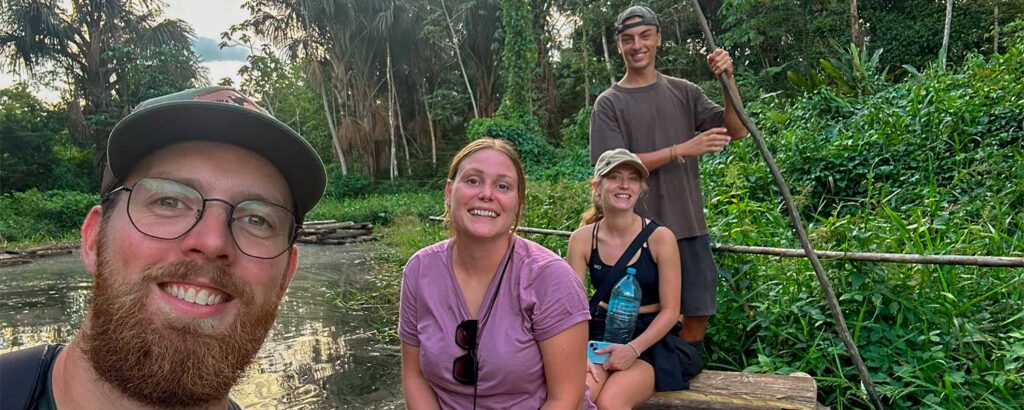
Rivers are the roads of Manu. You travel by boat on the Alto Madre de Dios River and, on longer tours, on the Madre de Dios and Manu rivers, watching for wildlife on the banks. On the oxbow lakes you glide on a wooden raft or a catamaran to look for hoatzins, caimans and, in the Reserved Zone, giant otters. Sunrises and sunsets on the river are unforgettable.


Walks in the rainforest
To see wildlife you walk slowly and quietly through the forest with your guide. You learn about the plants the communities still use as medicine, look for monkeys, macaws and parrots, and, if you are lucky, find tracks of tapirs or capybaras. Night walks reveal another world of frogs, insects and spiders.


Hot springs and waterfalls
Some of our tours stop at the hot springs near the Shintuya native community, with a forest hike to a waterfall with natural pools: the perfect way to rest after days of exploring.


Meet native communities, with respect
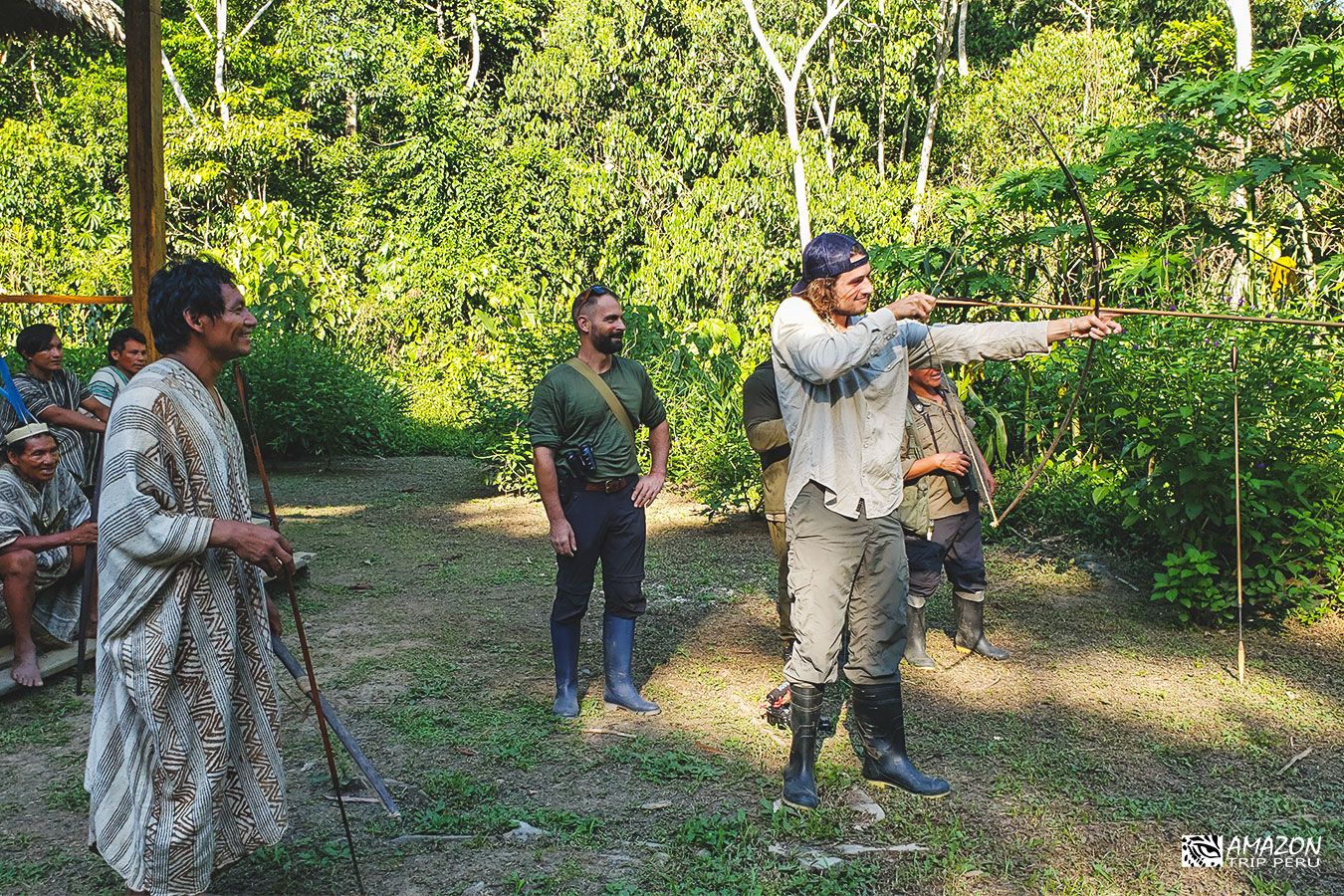
Manu is home to indigenous peoples. Communities such as Shipitiari and Shintuya welcome visitors through community tourism: you can learn about their crafts, weaving, food and traditions, and try the bow and arrow. Other peoples live in voluntary isolation deep in the core zone of the park; Peruvian law protects them from contact, and tours do not enter their territory.


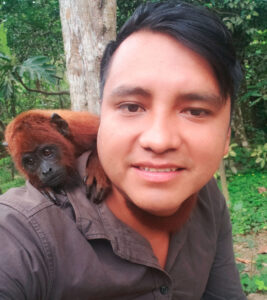
Our founder, Percy Huanca, was born in Manu into a Matsiguenka family, and our guides and crew come from these communities. See our Manu tours from Cusco or read five things to know before your trip.
Frequently asked questions
Can I combine Machu Picchu and Manu in one week?
Yes. Both are reached from Cusco. A common plan is a few days in Cusco and Machu Picchu to acclimatize, followed by a 3 or 4-day Manu tour that starts and ends in Cusco.
Should I visit Manu before or after Machu Picchu?
After works well: you get used to the altitude in Cusco first, and the Manu trip ends back in Cusco, where you can catch your flight home.
Will we meet uncontacted tribes in Manu?
No. Peoples in voluntary isolation live deep in the core zone of the park, which is closed to tourism, and Peruvian law protects them from contact. Tours visit communities that welcome visitors, such as Shipitiari and Shintuya.